
Expert Guide to Planning a Home Renovation or Extension
Whether you're considering a large extension, a full-house renovation, structural alterations, or creating your forever home, a major residential project is one of the biggest investments most homeowners will ever make.
At Ash Technical Services, we work with homeowners across Sussex, Surrey, Kent and London, delivering residential projects from £100k to £ 5 million. While every project is different, we find that many homeowners ask the same questions at the start of their journey.
How much will it cost? How long will it take? Can we stay in the house? Do we need planning permission? Where do we even start?
This guide brings together the advice we regularly share with clients before a project begins and highlights common mistakes that can be avoided with the right planning and support.
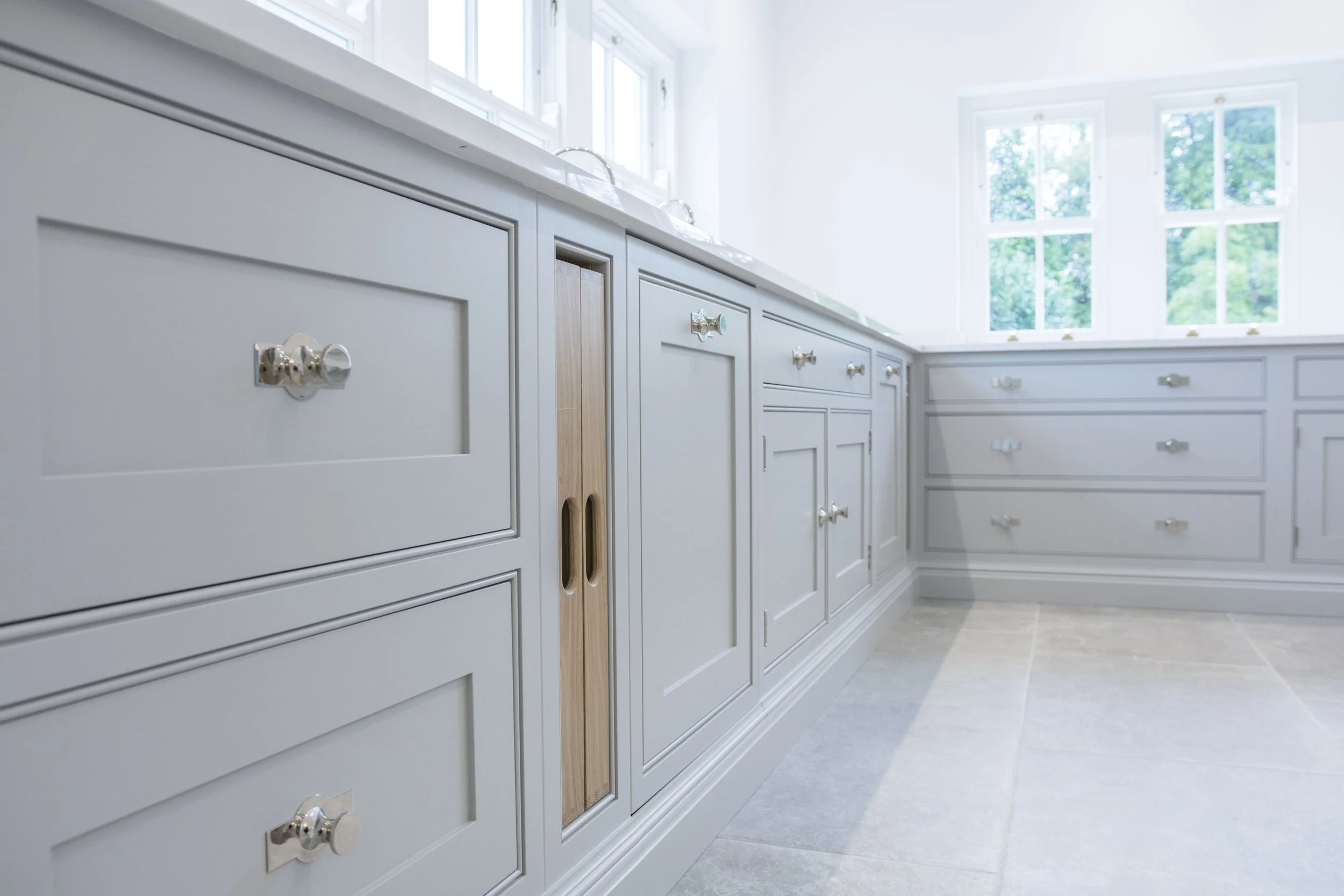
High Cross House, Rotherfield
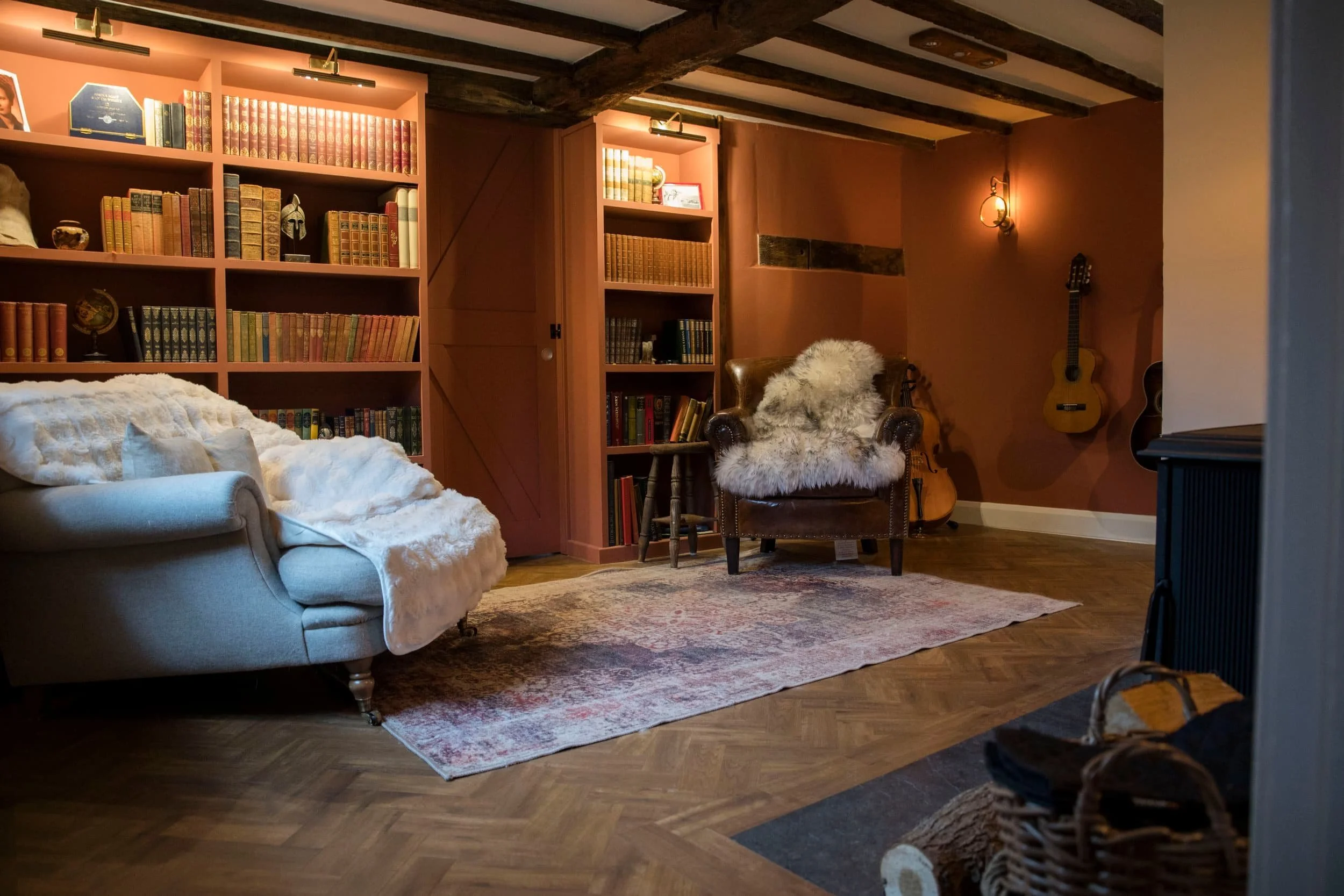
Old Pound Farm, Framfield
Start With How You Want To Live, Not What You Want To Build
One of the most common mistakes we see is homeowners focusing on drawings before fully considering how they want to use the finished space. Before engaging an architect or contractor, take time to think about how your home needs to work for you and your family.
Do you need a better space for entertaining? A larger kitchen? Improved connection to the garden? A dedicated home office? Additional bedrooms? Better natural light?
The most successful projects start with lifestyle objectives rather than floor plans. Once you understand how you want to live in the space, the design process becomes significantly more effective.
At Old Pound Farm in Framfield, the client's objective wasn't simply to create more space, but to create a space with character. Through careful design and construction, an existing annex was transformed into a high-quality living environment featuring a vaulted ceiling, double-sided fireplace, rooflights and bespoke finishes. By focusing on how the space would be used and experienced from the outset, the finished result delivered far more than additional square footage – it created a space that genuinely enhanced the way the property functions and feels.
Understanding The Residential Project Journey
Many homeowners underestimate how much happens before construction even begins.
For a typical extension or renovation project, the journey often looks something like this:
Stage 1 – Initial Brief & Feasibility
This is where ideas are explored, budgets are discussed, and initial options are developed.
Stage 2 – Design Development
Architectural drawings are prepared and refined to align with your objectives, budget and site constraints.
Stage 3 – Planning Permission & Building Regulations
Where required, planning applications are submitted, and technical designs are developed to satisfy building regulations requirements.
Stage 4 – Construction Planning
Contractors are appointed, programmes are developed, costs are finalised and materials are procured.
Stage 5 – Construction
Works commence on site and your vision starts becoming reality.
Stage 6 – Completion & Handover
Final inspections, commissioning and handover take place before you begin enjoying your new space.
For many projects, the design and planning stages alone can take between two and four months, sometimes longer depending on complexity and local authority timescales. Understanding this from the outset helps set realistic expectations and enables better decision-making throughout the process.
How Much Does A Home Renovation Or Extension Cost?
This is understandably one of the first questions most homeowners ask.
The reality is that every project is different, and costs can vary significantly depending on location, specifications, structural requirements, site constraints, and finishes. What is important is understanding that construction costs are only one part of the overall budget.
Homeowners should also consider:
Architectural fees
Structural engineering fees
Planning application costs
Building Control fees
Surveys and investigations
Party Wall matters
Interior finishes and furnishings
Landscaping
Contingency allowances
One of the biggest benefits of involving a contractor early in the process is gaining realistic cost advice before significant time and money are invested in design work.
We regularly see projects designed without contractor input, only to discover later that the proposed design significantly exceeds the available budget.
Early collaboration among the homeowner, designer, and contractor can help avoid this situation entirely.
Why Early Contractor Involvement Matters
Traditionally, many residential projects are fully designed before a contractor becomes involved. While this approach can work, it often creates challenges around budget control, buildability and programme expectations. By involving a contractor earlier in the process, homeowners can benefit from practical construction advice during the design phase.
This can help:
Align designs with available budgets
Identify potential construction challenges
Improve programme certainty
Reduce costly redesigns
Explore alternative construction methods
Improve value for money
Our design and build approach allows us to work alongside trusted architects and consultants from the earliest stages of a project, helping ensure the design remains achievable, practical and aligned with the client's objectives throughout the journey.
Do You Need Planning Permission?
This is another question we are asked regularly.
The answer depends entirely on the scope of works. Some extensions and alterations may fall within Permitted Development rights, while others will require full planning permission. Even where planning permission is not required, Building Regulations approval will almost always be necessary.
Other considerations may include:
Party Wall matters
Listed Building Consent
Conservation Areas
Tree constraints
Drainage approvals
Seeking advice early can help identify potential constraints and avoid delays later in the process.
Can You Stay In Your Home During The Works?
In many cases, yes. However, this depends on the scale of the project and your personal circumstances. For smaller extensions and phased works, remaining in occupation is often achievable. For larger renovations involving structural alterations, major service upgrades or significant internal remodelling, temporary accommodation may sometimes be the more practical solution.
Factors to consider include:
Access arrangements
Temporary kitchen facilities
Noise and dust
Safety considerations
Young children and pets
Working from home requirements
Having these discussions early with your contractor helps establish realistic expectations and allows appropriate planning before work begins.
Why Choosing A Builder On Price Alone Can Be Expensive
When comparing quotations, it is natural to focus on the bottom line.
However, construction projects should never be assessed on price alone. The cheapest quote is rarely the cheapest project.
The quality of management, communication, programme planning, site supervision and specification can all have a significant impact on the overall outcome.
When selecting a contractor, homeowners should consider:
Relevant project experience
Previous completed projects
Client testimonials
Financial stability
Communication processes
Programme management
Quality assurance procedures
Insurance and accreditations
A contractor who provides clear information, realistic budgets, and honest advice is often far more valuable than one who simply offers the lowest figure.
Expect The Unexpected
Even the best planned projects can reveal hidden challenges once work begins. Particularly within older properties, issues such as drainage defects, structural alterations, damp, inadequate services or hidden damage may not become apparent until construction is underway. This is completely normal within residential construction.
For this reason, we always recommend allowing a sensible contingency within both budget and programme. Being prepared for the unexpected can significantly reduce stress and help maintain momentum should unforeseen issues arise.
The Difference Is Often In The Details
While extensions and structural alterations create the framework of a project, it is often the details that transform a house into a home. Lighting design, bespoke joinery, kitchens, flooring, ironmongery, landscaping and carefully considered finishes all contribute to the final result.
Some of the most successful projects we have delivered have achieved their impact not through size alone, but through careful attention to detail and thoughtful design decisions. The difference between a good project and an exceptional one is often found in these finishing touches.
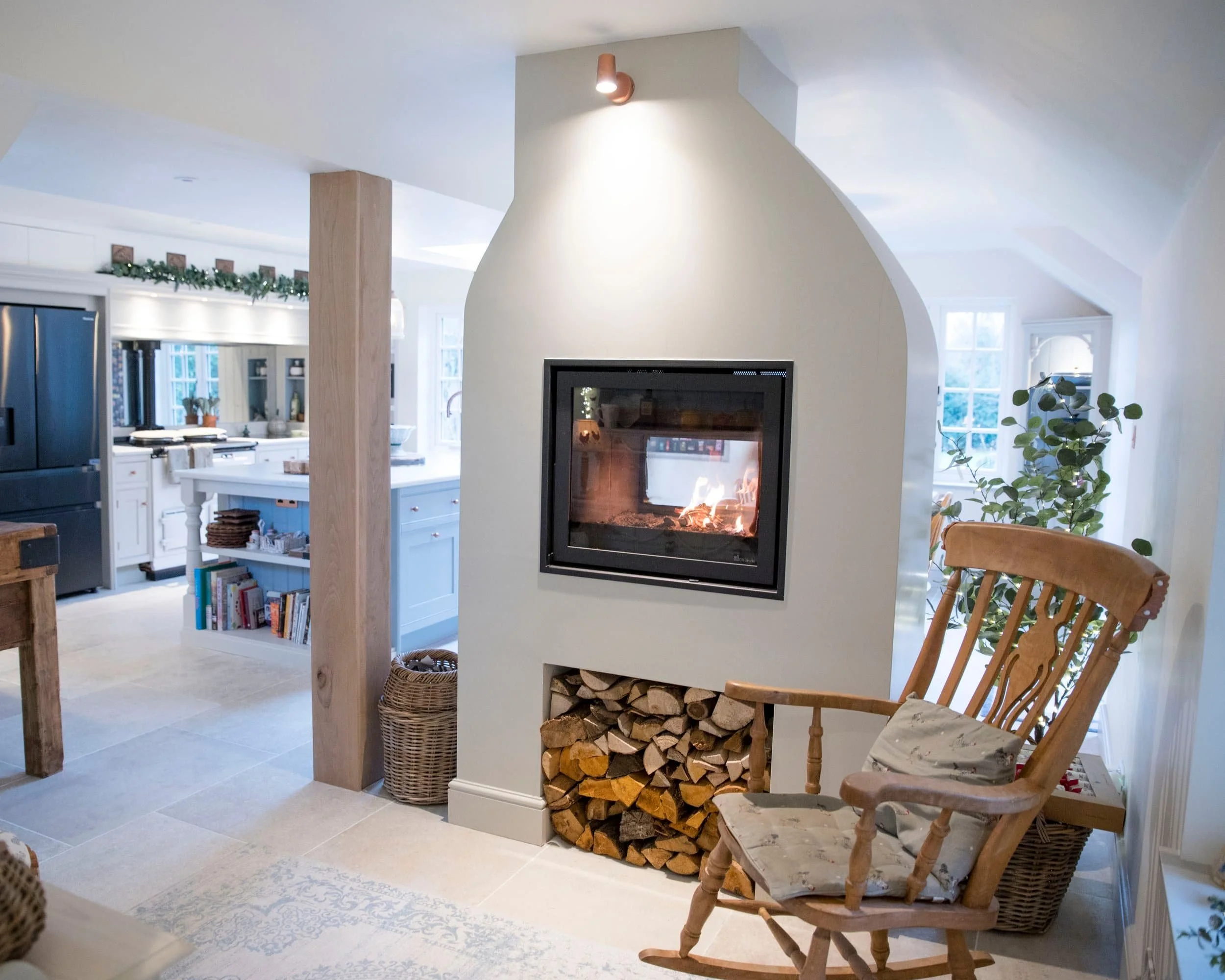
Old Pound Farm, Framfield
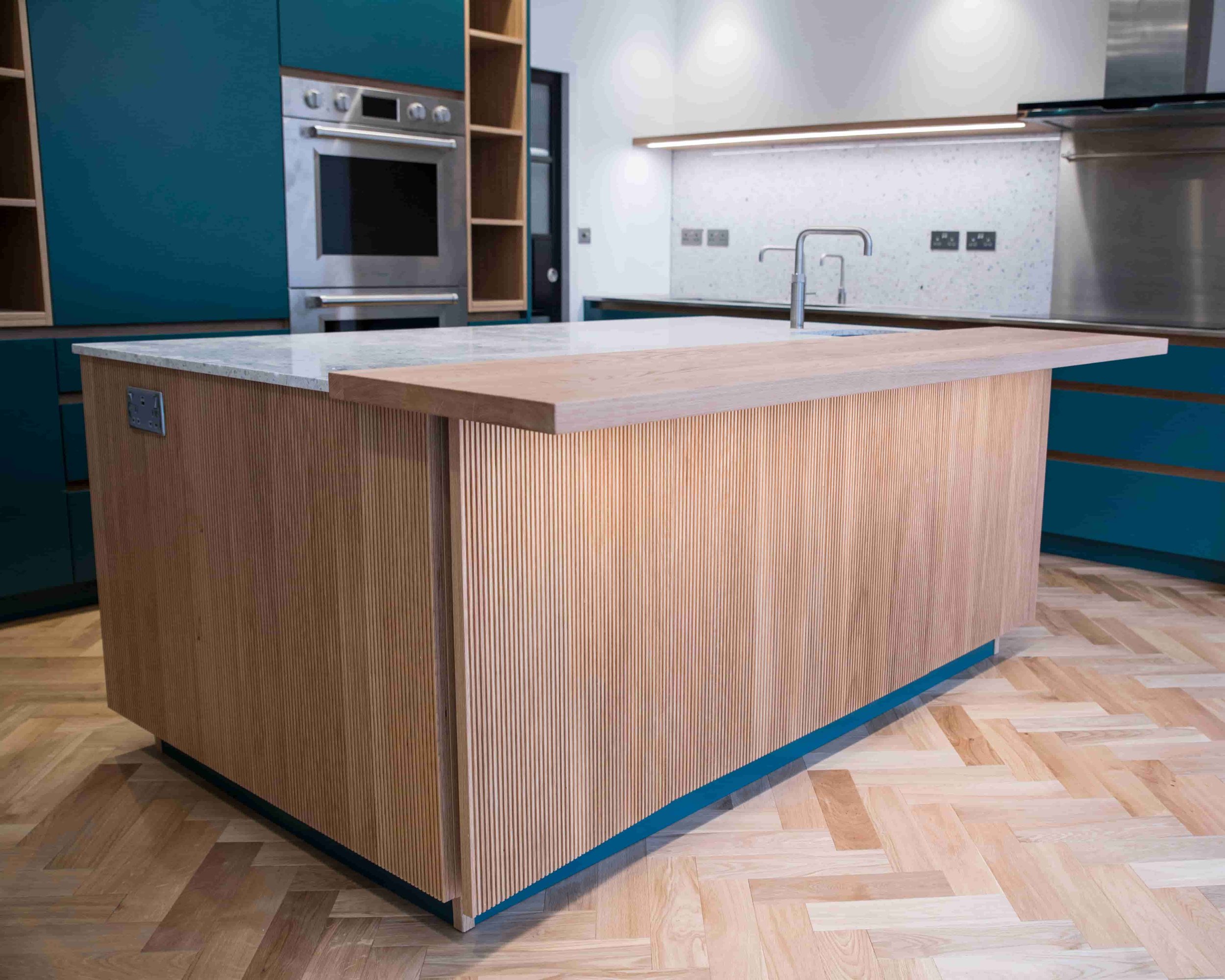
Woolwich Road, London
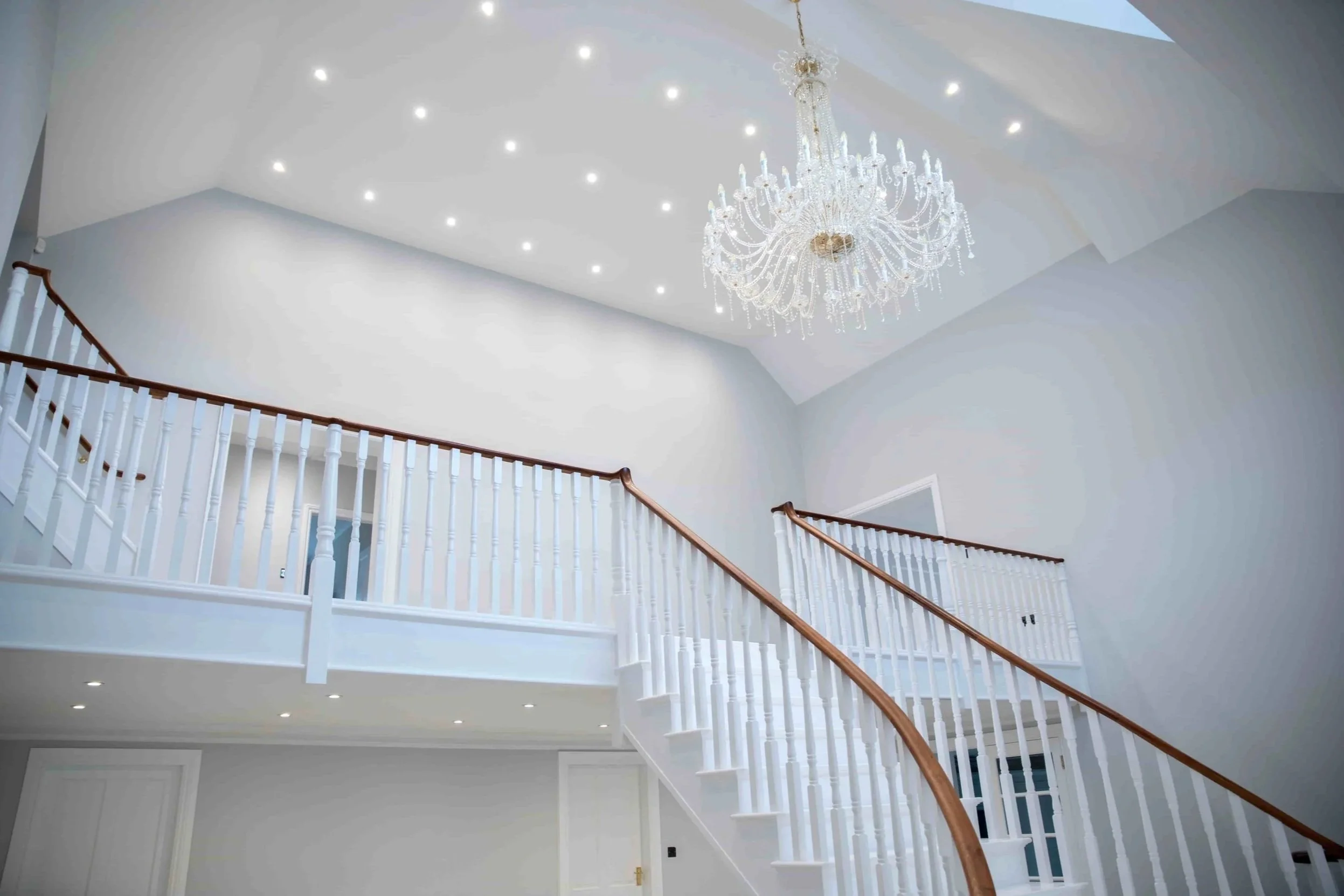
High Cross House, Rotherfield
Final Thoughts
A major residential project is about far more than construction. It is about creating a home that better supports your lifestyle, adds long-term value and enhances the way you live every day.
By understanding the process, setting realistic expectations and assembling the right team from the outset, homeowners can significantly improve both the experience and outcome of their project.
At Ash Technical Services, we work closely with homeowners, architects and consultants across Sussex, Surrey, Kent and London to deliver high-quality residential extensions, renovations and bespoke construction projects. Through our design and build approach, we help guide clients from initial concept and planning through to completion, ensuring the journey is as enjoyable and stress-free as possible.
If you're considering a residential project and would like some early advice, we'd be happy to have a conversation.
